
Enhancing Talking Therapy
Horses respond honestly and authentically to the energy of the individual and they do not solely rely on verbal communication. Equine Therapy enhances talking therapy as the horse’s gentle trusting response fosters a feeling of acceptance which makes it easier for the client to engage with their therapist.
Building Confidence
The simple practical tasks of feeding and caring for the horse, involve both touch and movement. This allows confidence to build in a number of ways; getting to know one’s own body, a sense of mastery through achieving small tasks and learning how our bodies communicate through the language of movement. This in turn builds trust and self-esteem. Grooming and riding involve rhythm which in turn encourages calm, deep breathing and relaxation.
Equine Therapy is used for a variety of presentations;
For Young People with Social Challenges such as:
Our Life Skills work takes therapy out of the clinic and into the outside world. In small groups (4 – 8 young people) we encourage engagement in practical everyday tasks, for example:
We aim to build confidence, capability and autonomy, whilst equipping Young People with valuable skills that will support them in gaining increased independence.
This is a ‘rolling’ 8 week program so the course can be joined at any time.
Therapists and Support staff are fully CRB checked.
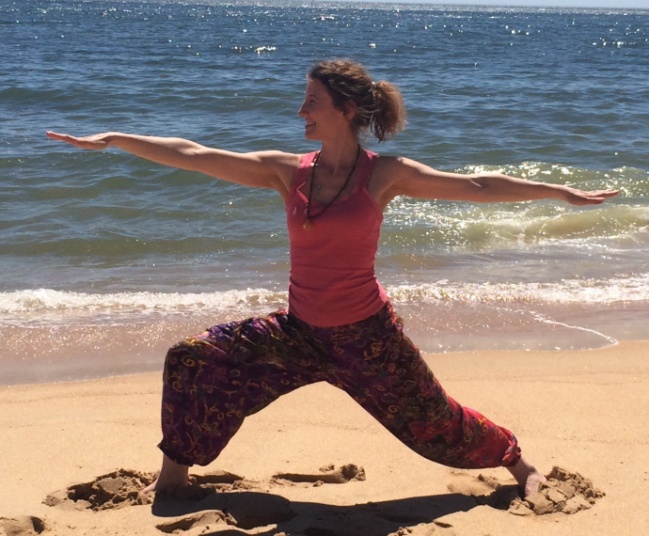
Mindfulness & Hatha yoga uses the breath to connect mind and body helping to bring balance between our rational and intuitive thinking, logic and creativity, our action and passiveness. Research validates the benefits of these practices for severe trauma, OCD, Depression & Anxiety 2 Yoga principles underpin this practice - Satya (truthfulness) and Ahimsa (non-harm).
Yoga breathing practices (Pranyama) support and calm the nervous system, helping the body to recover from mental and emotional distress.
“ a persistent disturbance of eating behaviour or behaviour intended to control weight, which significantly impairs physical health or psycho- social functioning.”
Fairburn
Our service provides specialist care for the full spectrum of disordered eating for Males & Females of all ages:
Anorexia is an intense and persistent desire to lose weight, or maintain a weight that is below the minimum expected for your age and height.
You may have an extreme fear of gaining weight and your view of your body may be markedly different from how your friends and family say they see you.
You feel that if you lose weight you will be happier and you may have begun skipping meals or hiding food. You might punish yourself if you eat a ‘bad’ food or don’t lose enough weight. You might have certain rituals or obsessive behaviours around food.
You might use Laxatives or exercise excessively.
Some Physical symptoms of Anorexia
Bulimia is more common than Anorexia but often goes unnoticed for longer because you might remain at an average body weight.
With Bulimia you are trapped in a cycle of eating large amounts of food (often secretively and devoured at rapid speed) then make yourself sick (purge) afterward or severely restrict food intake for a few days to compensate.
You may also use laxatives and take excessive doses. You may feel out of control, guilt ridden and depressed.
Some Physical symptoms of Bulimia
If you binge eat, you may eat large amounts of food in a short period of time . You may eat more rapidly than normal. You may feel compelled to eat until you are in pain or uncomfortably full only then can you feel satisfied.
You may eat large amounts even when you are not hungry and feel guilt or disgust.
Binge Eating can often (but not always) lead to Obesity
Obesity is a concern because of the long term health risks and association with medical conditions such as:
Symptoms are as those above though effects on the male reproductive system manifest at a more gradual rate –resulting in lowered sex drive due to reduced testosterone.
You might also exercise obsessively and though muscular you may be highly restrictive in your eating patterns and perhaps make use of anabolic steroids.
You might notice that some of the details listed above are familiar but you might not fit clearly into one diagnosis.
For example you may restrict but have regular periods. Your binges might be infrequent and you may only purge occasionally.
Eating Disorder is a complex presentation.
Whether you have a clear diagnosis or just some niggling concerns it is important that you address any worries early. Many of us use food in differing ways to cope with feelings that are difficult to express. Struggling in silence can leave you feeling even more unhappy and depressed.
We have specialist experience in working with Eating Disorders in both inpatient and outpatient settings.
We will support you alongside your GP or Medical Practitioner.
We can also direct you to nutritional advice from a registered Dietician if appropriate.
07765 390614